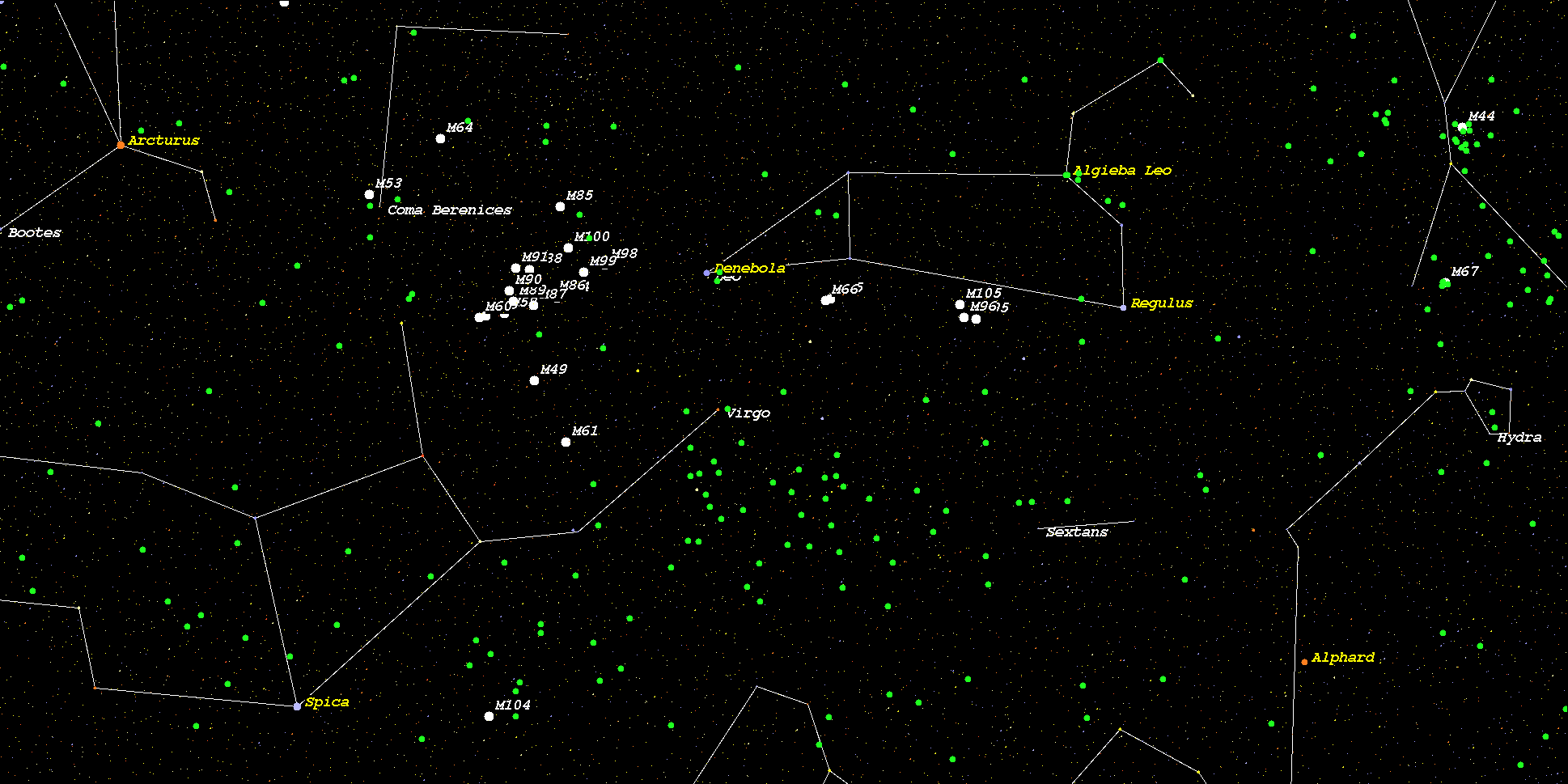
K2-18, also known as EPIC 201912552, is a red dwarf star with two planetary companions located 124 light-years (38 parsecs) from Earth, in the constellation of Leo.
Its name is because it was discovered by the K2 Mission, which extended the mission of the Kepler Space Telescope after failure of two of its reaction wheels.
Planetary system
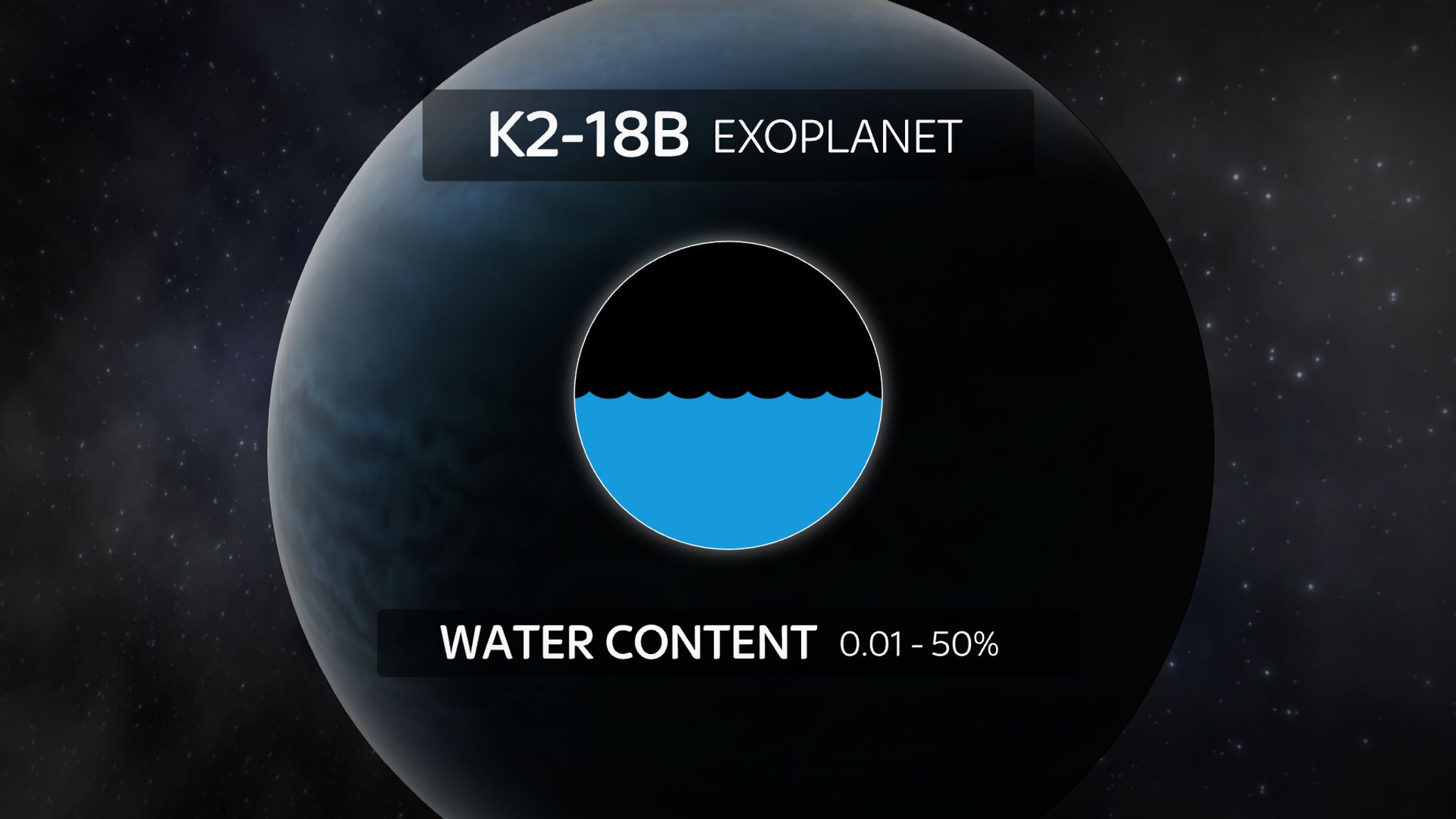
The star has a transiting exoplanet, called K2-18b, a super-Earth located within the habitable zone of K2-18. It was discovered in 2015 by the Kepler space telescope in its K2 mission. It is the first exoplanet in the habitable zone, albeit a hydrogen-rich sub-Neptune, to have its atmosphere characterized; initially thought to contain water vapor, more recent observations have instead detected methane and carbon dioxide. The presence of these molecules and non-detection of ammonia is consistent with predictions for a hycean planet.
A second, non-transiting planet, K2-18c, was discovered in 2017 by radial velocity with HARPS. This planet was challenged by another team with CARMENES data, but its existence was reaffirmed by the discovery team based on both HARPS and CARMENES data. This planet has also been confirmed by a later independent study. System tidal simulation suggests that K2-18c is a gas-rich, Neptune-like planet, similar to K2-18b.
References
External links
- NASA says distant planet could hold life after they spot signs of rare water ocean - MSN News